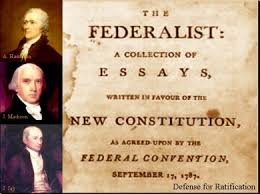
Designed to Expose Power: The Federalist Papers and the Modern Abandonment of Constitutional Discipline
The Federalist Papers were written as a practical defense of constitutional government grounded in a realistic view of human nature. This piece explains how Hamilton and Madison designed a system to restrain ambition, manage faction, and preserve liberty through constitutional structure rather than assumed virtue, and why their warnings about gradual institutional power and consolidation remain relevant today.
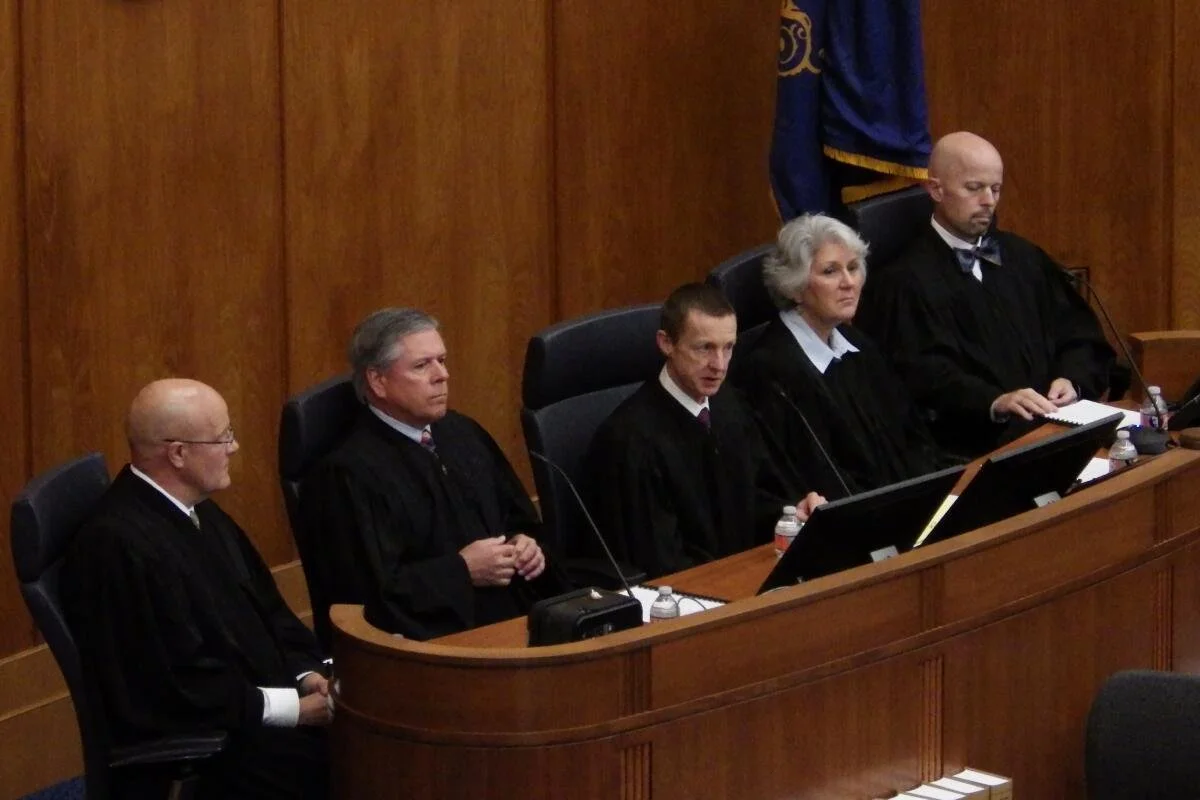
An Opinion in Search of a Legal Foundation: Majority’s Reasoning in Wrigley II
The North Dakota Supreme Court’s decision in Access Independent Health Services Inc. v. Wrigley marks a pivotal affirmation of the Legislature’s constitutional authority to regulate abortion and protect unborn life. By restoring the state’s abortion ban and rejecting vagueness challenges, the ruling reinforces North Dakota’s constitutional framework and clarifies the limits of judicial review in matters governed by legislative judgment.

The Costs of Illegal Immigration and the Limits of Due Process
Hans A. von Spakovsky outlined the economic and legal costs of illegal immigration, emphasizing the limits of due process for noncitizens in civil deportation proceedings. He argued that expansive enforcement is essential to preserve resources for lawful immigrants and uphold the integrity of U.S. immigration law.

Federalism Affirmed: States Regain Control Over Medicaid and Abortion Policy
The Supreme Court’s decision in Medina v. Planned Parenthood held that Medicaid patients can’t sue their state for excluding an abortion provider. The ruling narrows private enforcement of federal funding laws and gives states more control over how they run their Medicaid programs.

'Toxic' by design? The law students who say campus discomfort is the point
Watch Federalist Society’s UND Chapter President Naomi Bromke and 2L Representative Sara Ziegler’s interview on Fox News. The opinions are their own and not representative of the Federalist Society.

Facing the Numbers: Political Violence and the Left’s Reckoning
The numbers tell a story many would rather ignore: the majority of America’s violent protests in recent years have come from the political left. By confronting that reality, we can better understand how ideology, frustration, and moral conviction can cross into violence.

No Crisis of Constitution: The Long-Recognized Power to Federalize the National Guard
Contrary to critics, the Constitution and long-standing statute 10 U.S.C. § 12406 clearly authorize a President to federalize the National Guard without invoking the Insurrection Act. Drawing on historical precedent and judicial deference, the article shows President Trump’s 2025 federalization lies well within constitutional bounds.

Truth in Sentencing is Essential
Naomi Bromke of Grand Forks writes about serial offenders who do not serve their full sentences.

The Cost of Silence
Silence may protect us in the moment, but it slowly erodes truth and freedom. This piece reflects on why speaking up is essential for both personal integrity and society’s future.

Border to Benefits: Obamacare Subsidies at Heart of Shutdown Battle
With the government shutdown looming, what is the crux of the problem?

When Free Speech Becomes a Liability: Kimmel, Carlson, and the Public Airwaves
This article examines how broadcasters face consequences when false information airs, comparing Fox News’s billion-dollar defamation case involving Tucker Carlson with ABC’s suspension of Jimmy Kimmel under FCC scrutiny. It shows how networks, bound by both legal and regulatory obligations, often remove high-profile hosts when free speech on public airwaves becomes a liability.

The Assassination of Charlie Kirk and the First Amendment
This article unpacks the First Amendment in light of reactions to Charlie Kirk’s assassination. It explores what speech is actually protected, why offensive online comments usually fall under free expression, and why employers, not the government, can still fire you for what you say.